Embracing Neurodiversity: The Meaning Behind Autism Acceptance and High-Quality Digital Design
In recent years, the conversation surrounding autism has shifted profoundly. We have moved away from a narrative focused solely on deficits or medical cures toward one centered on acceptance, understanding, and love. This cultural shift is not just happening in classrooms and therapy centers; it is visible in our daily lives, on our clothing, in our home decor, and across social media. One of the most powerful symbols of this movement is the rainbow, representing the vast spectrum of human neurodiversity. For creators, small business owners, and allies, utilizing high-quality digital design files that celebrate this theme is a meaningful way to participate in the dialogue.
This article explores the significance of the "Autism Accept, Understand, Love" message, clarifies common misconceptions about the symbolism used, and provides a practical guide on how to utilize professional-grade digital assets for creative projects. Whether you are designing a t-shirt for a walkathon, creating custom mugs for a classroom, or building a print-on-demand store, understanding the context behind the design enhances its impact.
The Shift from Awareness to Acceptance
For decades, April was recognized primarily as "Autism Awareness Month." While awareness is a necessary first step, many in the autistic community argued that being "aware" of their existence was not enough. Awareness can sometimes feel distant or clinical. Consequently, the focus has evolved into Autism Acceptance. Acceptance implies action. It means welcoming autistic individuals into schools, workplaces, and communities with open arms, accommodating their needs, and valuing their unique perspectives.
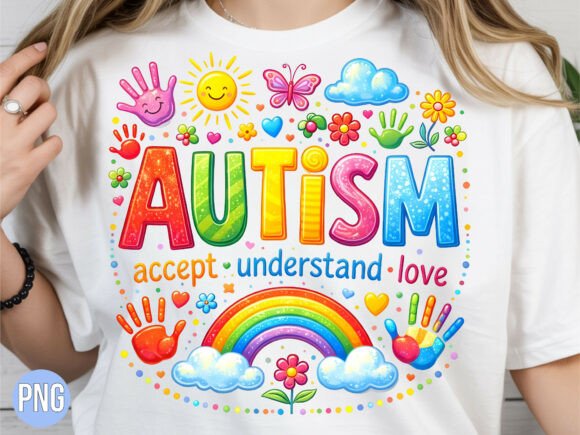
The phrase "Accept, Understand, Love" encapsulates this journey. It suggests a progression:
- Accept: Acknowledge neurodiversity as a natural part of the human experience, not a problem to be fixed.
- Understand: Take the time to learn about sensory processing, communication styles, and the diverse experiences of autistic people.
- Love: Foster genuine inclusion and support, celebrating the strengths and contributions of autistic individuals.
When you choose designs that feature this messaging, you are aligning your creative output with a values-driven movement. It signals to your customers or recipients that you support a more inclusive society.
Clarifying the Symbolism: The Rainbow Spectrum
A common point of confusion involves the symbols used to represent autism. Historically, the puzzle piece was the dominant icon. However, many autistic self-advocates have moved away from the puzzle piece, arguing that it implies they are "missing" something or are a puzzle to be solved. Instead, the rainbow infinity symbol or simply the rainbow spectrum has gained prominence.
The rainbow represents the diversity of the autistic community. Just as no two rainbows are identical, no two autistic experiences are the same. It highlights strength, variety, and beauty. When selecting digital design files for your projects, opting for rainbow-themed artwork often resonates more deeply with the modern neurodiversity paradigm. It is a visual shorthand for pride and identity, similar to how the rainbow flag functions within the LGBTQ+ community.
Practical Applications for Creators and Small Businesses
High-quality digital designs are versatile tools for modern creativity. For entrepreneurs, educators, and DIY enthusiasts, having access to professional-grade assets allows for the creation of tangible items that spread positive messages. The demand for merchandise that reflects personal values and social causes is higher than ever. Here is how you can effectively use these design files in various contexts.
Print on Demand and Retail Products
If you run a small business or a Print on Demand (POD) shop, quality is paramount. Customers expect crisp, clear images that do not pixelate when printed. A design file with a 300 DPI (Dots Per Inch) resolution is the industry standard for high-quality printing. This resolution ensures that whether you are printing a small sticker or a large wall poster, the edges remain sharp and the colors vibrant.
Common products that benefit from these designs include:
- Apparel: T-shirts, hoodies, and tote bags are popular canvases for advocacy messages. A transparent background allows the design to sit seamlessly on fabric of any color.
- Home Goods: Pillows, wall art, and blankets featuring the rainbow spectrum can create welcoming environments in homes and classrooms.
- Accessories: Mugs, tumblers, and phone cases allow individuals to carry their support for autism acceptance with them throughout their day.
Educational and Community Resources
Teachers and therapists often create custom materials to help students understand neurodiversity. High-resolution PNG files can be incorporated into:
- Classroom Decor: Posters that promote kindness and understanding.
- Learning Materials: Flashcards, worksheets, and visual schedules.
- Event Merchandise: Items for local walks, fundraisers, or community awareness events.
By using professional designs, educators ensure that their materials look polished and respectful, reinforcing the seriousness and positivity of the message.
Technical Guide: Working with Your Digital Design File
To get the best results from your purchase, it is essential to understand the technical specifications of the file you are receiving. Most professional digital downloads come in a compressed format to facilitate easy transfer. Here is a step-by-step guide to ensuring your design process goes smoothly.
Step 1: Download and Extract
When you purchase a digital design, you will typically receive a ZIP folder. This is a compressed archive that contains your actual image file. You cannot use the ZIP file directly in design software. You must first "unzip" or "extract" it.
- On Windows: Right-click the ZIP file and select "Extract All." Choose a destination folder where you can easily find the file.
- On Mac: Double-click the ZIP file, and it will automatically extract the contents into the same folder.
Step 2: Understanding the File Format
Inside the extracted folder, you will find a PNG file. PNG stands for Portable Network Graphics. This format is preferred for design work for two main reasons:
- Transparent Background: Unlike JPEGs, which always have a solid white (or colored) background, a PNG with transparency allows you to place the design over any color or pattern without a ugly white box surrounding it. This is crucial for printing on colored t-shirts or creating layered digital compositions.
- Lossless Compression: PNGs maintain high image quality without the artifacts or blurriness that can occur with other formats.
Step 3: Compatibility Check
Before purchasing or beginning your project, ensure your software supports PNG files. Most modern design platforms handle them effortlessly, including:
- Adobe Photoshop and Illustrator
- Canva (Pro and Free versions)
- Procreate
- Cricut Design Space and Silhouette Studio
- Microsoft Word and PowerPoint (for basic document insertion)
Note: If you are using a cutting machine like a Cricut for vinyl decals, you may need to use the "Remove Background" tool if the transparency does not auto-detect, although a proper transparent PNG usually imports cleanly.
Why Quality Matters in Advocacy Design
Using a low-resolution image or a poorly designed graphic can inadvertently undermine the message you are trying to convey. A pixelated logo on a t-shirt looks unprofessional and may suggest a lack of care. Conversely, a crisp, beautifully crafted design commands attention and respect. It shows that you value the cause enough to invest in quality representation.
Furthermore, high-quality files save you time. They require less editing, resizing, or troubleshooting. When you start with a 300 DPI file with a transparent background, you can drag and drop it into your project and begin creating immediately. This efficiency is vital for small business owners who need to streamline their workflow.
Conclusion
The journey toward a more inclusive world is built on small, consistent actions. By choosing to accept, understand, and love, we create spaces where autistic individuals can thrive. For designers, makers, and allies, using high-quality digital assets is a practical way to amplify this message. Whether you are creating a single gift for a loved one or launching a product line to support autism organizations, the quality of your design reflects the depth of your commitment.
Remember to handle your digital files with care: unzip the folder, check your software compatibility, and leverage the transparency of the PNG format to create stunning, professional results. In doing so, you not only produce beautiful items but also contribute to a broader cultural shift toward genuine acceptance and celebration of neurodiversity.